
Monk Wisdom
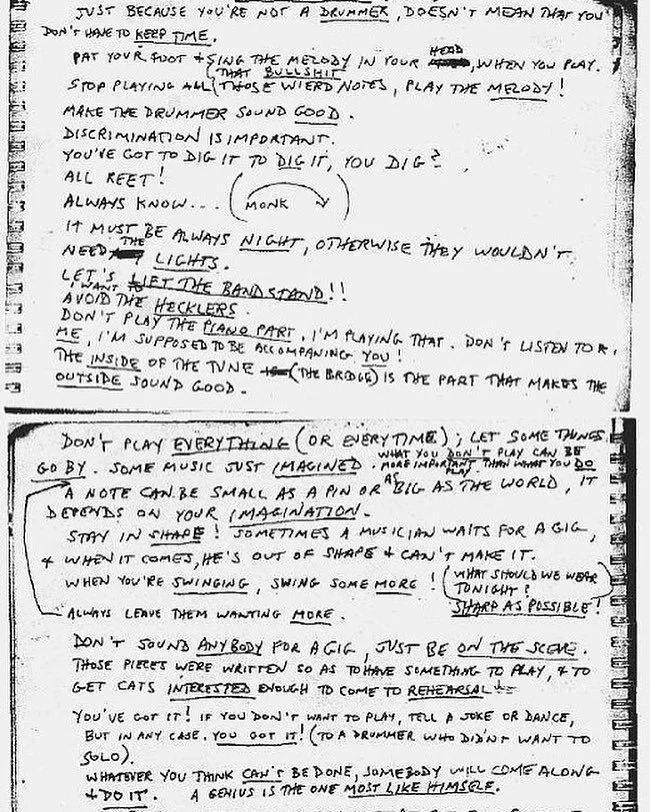
In 1960, saxophonist Steve Lacy noted 25 tips from jazz legend Thelonious Monk. Though rooted in music and the life of a freelance jazz artist, many of these ideas translate beyond that realm.
Below is the full list. Keep in mind that this was a conversation between peers, deep in a subculture over 65 years ago, so much of it is in in-crowd vernacular. Check out this YouTube video for some interpretations from young musicians from recent times.
Just because you’re not a drummer, doesn’t mean that you don’t have to keep time.
Pat your foot and sing the melody in your head when you play.
Stop playing all that bullshit, those weird notes, play the melody!
Make the drummer sound good.
Discrimination is important.
You’ve got to dig it to dig it, you dig?
All reet!
Always know
It must be always night, otherwise they wouldn’t need the lights.
Let’s lift the band stand!!
I want to avoid the hecklers.
Don’t play the piano part, I am playing that. Don’t listen to me, I am supposed to be accompanying you!
The inside of the tune (the bridge) is the part that makes the outside sound good.
Don’t play everything (or everytime); let some things go by. Some music just imagined.
What you don’t play can be more important than what you do play.
A note can be small as a pin or as big as the world, it depends on your imagination.
Stay in shape! Sometimes a musician waits for a gig & when it comes, he’s out of shape & can’t make it.
When you are swinging, swing some more!
(What should we wear tonight?) Sharp as possible!
Always leave them wanting more.
Don’t sound anybody for a gig, just be on the scene.
Those pieces were written so as to have something to play & to get cats interested enough to come to rehearsal!
You’ve got it! If you don’t want to play, tell a joke or dance, but in any case, you got it! (to a drummer who didn’t want to solo).
Whatever you think can’t be done, somebody will come along and do it. A genius is the one most like himself.
They tried to get me to hate white people, but someone would always come along & spoil it.
One note in particular initially jumped out at me:
“Whatever you think can’t be done, somebody will come along and do it. A genius is the one most like himself.”
Occasionally, you encounter a work of art that feels genuinely new—bold, precise, and revelatory. It moves you, but it also extends an invitation. When an artist steps into unexplored territory with confidence, it quietly grants permission for others to follow. A door opens.
The second half of Monk’s quote completes the thought. Work that comes from deep personal conviction—vulnerability, conflict, obsession, or curiosity without a clear outcome—often leads to places others won’t reach. The more specific and personal the work, the more likely it is to push the medium somewhere new.
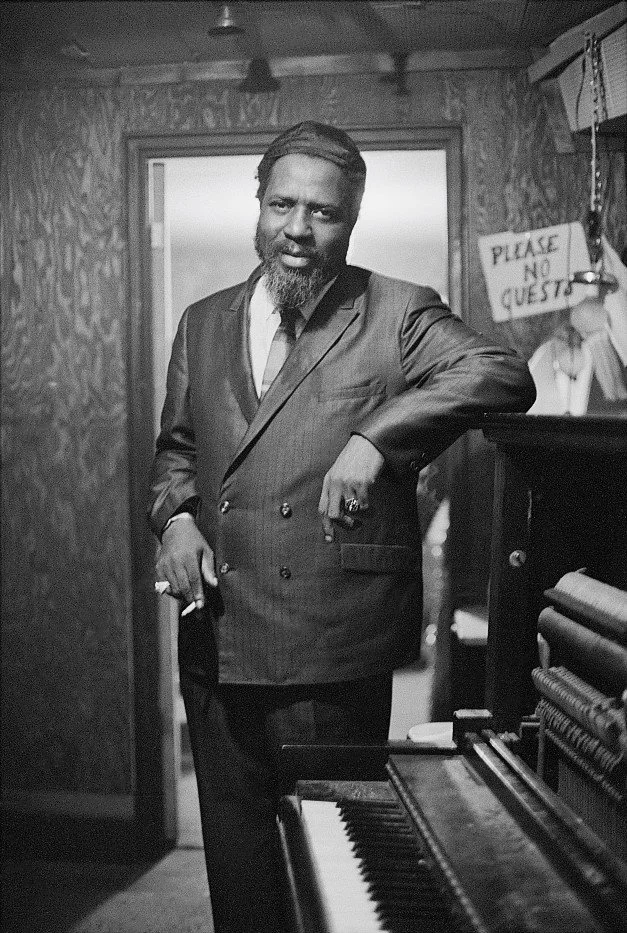
Top Image: Thelonious Monk, photographed at The Village Gate, in New York, 1968. Photo by Bernard Gotfryd.
Second Image: Steve Lacy’s handwritten notes on Monk’s tips for Jazz musicians.
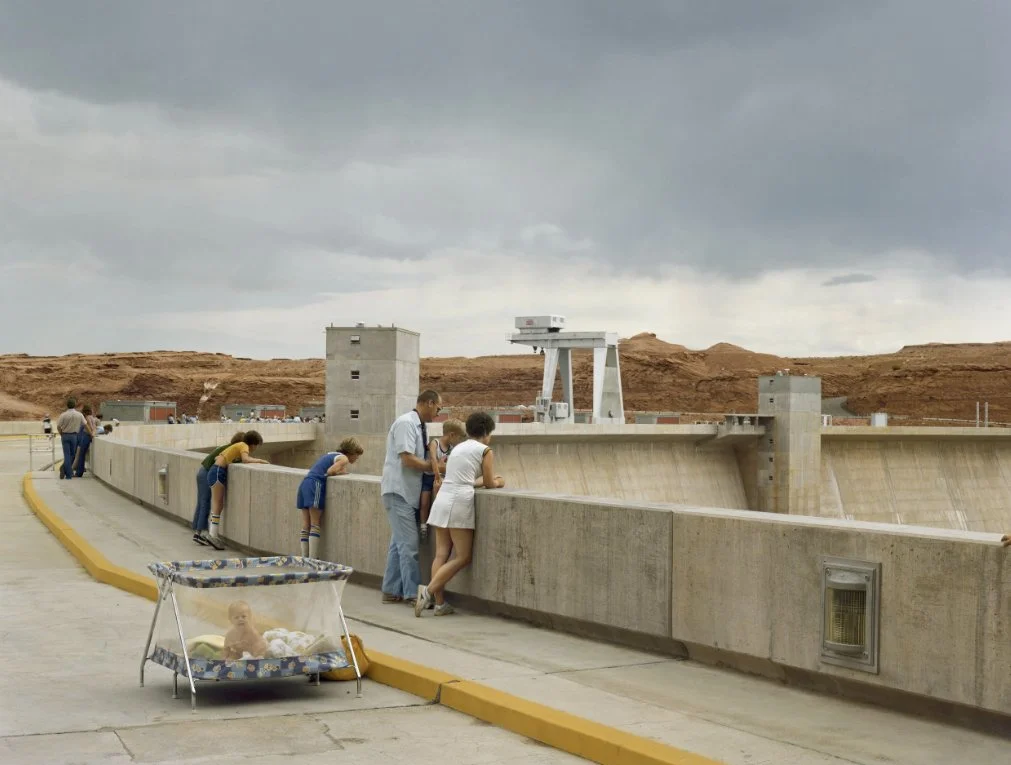
Third Image: Joel Sternfeld, Glen Canyon Dam, Page, Arizona, 1983. Traveling with an 8x10 view camera for eight years, Sternfeld shot found scenes of the USA, resulting in his seminal monograph American Propects. Many of the best pictures were shot so wide that the figures in them were almost tiny. It was a revelation to me, and inspired me to take the invitation to sometimes allow substantial space around my portrait subjects.
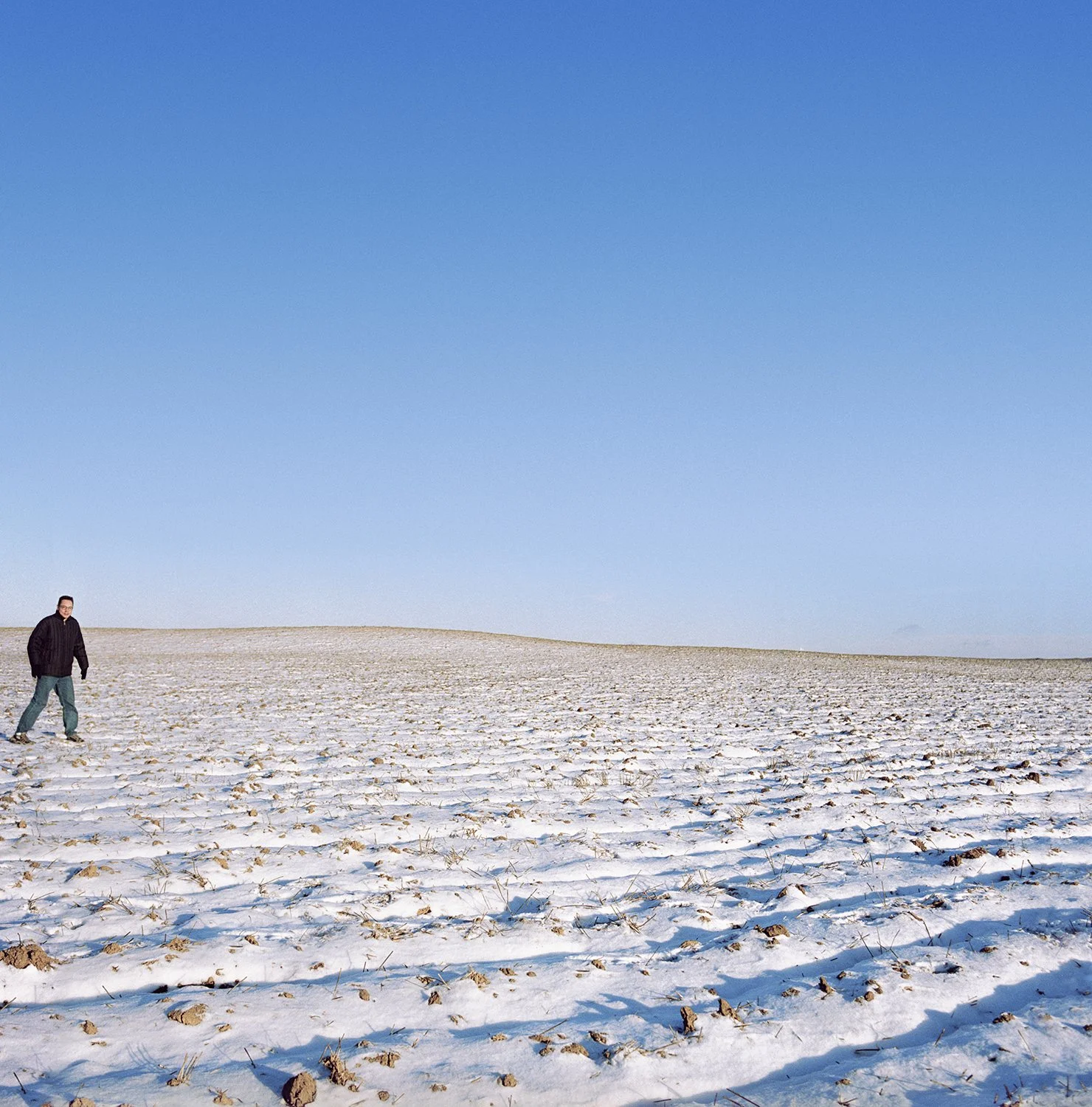
Bottom Image: My portrait of Malcolm Gladwell, in rural Ontario, 1999. An example of a wider portrait, after seeing Sternfeld’s work.